Blending Tradition and Style: The Popularity of Heritage Doors
In recent years, there has been a clear shift in how homeowners approach design and restoration, with many opting for features that blend timeless elegance with modern functionality. Among these themes, heritage doors have emerged as a particularly popular option, providing a distinct blend of character, workmanship, and versatility. The growing popularity of heritage doors reflects a larger desire to build homes that feel real and long-lasting, rather than just following passing design trends.
One of the main reasons homeowners are increasingly choosing heritage doors is their evident visual appeal. Unlike more modern door forms, heritage doors are frequently inspired by old British architecture, with classic detailing, panelled designs, and refined proportions. This sense of history and craftsmanship may quickly improve the appearance of a home, whether it is a period property or a new construction attempting to include classic characteristics. Heritage doors have a visual richness that is difficult to match with more minimalist or mass-produced equivalents.
Another reason for the appeal of heritage doors is their ability to suit a variety of interior styles. Heritage doors, despite their traditional roots, are surprisingly adaptable and may function well in both classic and modern contexts. Many homeowners appreciate how heritage doors can soften the appearance of contemporary spaces, giving warmth and texture without overpowering the overall design. This versatility makes heritage doors an appealing alternative for individuals looking to combine old and new in their living spaces.
The emphasis on exceptional craftsmanship is also increasing demand for heritage doors. In an age of mass production, many homeowners want things that are more thoughtful and long-lasting. Heritage doors are frequently associated with high-quality materials and attention to detail, which not only improves their visual appeal but also helps to their durability. This emphasis on quality coincides with a growing awareness of sustainability, as homeowners choose to invest in elements that will last rather than requiring regular replacement.
Heritage doors also contribute significantly to the character of a property. Maintaining architectural integrity is often a top goal for older home owners, and heritage doors provide a chance to retain or restore original characteristics. Even in contemporary houses, the use of heritage doors can add depth and authenticity that might otherwise be absent. One of the main reasons why heritage doors are becoming increasingly popular in all types of homes is their ability to bring character.
In addition to its visual appeal, heritage doors can help to create a more coherent interior design. By adding heritage doors throughout a home, homeowners may create a cohesive look that connects various rooms. This impression of continuity is especially useful in open-plan layouts, where keeping a cohesive appearance can be difficult. Heritage doors contribute to a cohesive design language, making the space feel more carefully selected.
Another key factor to consider is functionality, which heritage doors excel at. While influenced by historic designs, many heritage doors are made with modern processes that increase performance and usability. This means homeowners can enjoy the beauty of heritage doors without sacrificing functionality. Whether it’s better insulation, easier operation, or increased durability, heritage doors have a shape and function that appeals to today’s households.
The rise in house restoration projects has also contributed to the increased demand for heritage doors. As more people opt to modify their current homes rather than relocate, there is a greater emphasis on including elements that improve both appearance and value. Heritage doors are frequently regarded as a worthwhile investment, as they may considerably improve the entire appearance and feel of a home. This perceived value makes heritage doors an enticing option for those looking to make significant modifications.
Another factor driving the increased demand in heritage doors is the need for originality. In a world where many homes might feel alike, homeowners are looking for methods to reflect their individual style. Heritage doors provide a sense of distinctiveness that is difficult to replicate with regular designs. Heritage doors allow homeowners to create spaces that seem completely their own, from tiny changes in detailing to the choice of finishes.
Period plays and a growing appreciation for traditional design have further boosted the popularity of heritage doors. Many homeowners are fascinated by the timeless elegance found in historic homes and want to reproduce that feeling in their own. Heritage doors are a practical method to bring this inspiration to life, bridging the gap between the past and the present in a way that seems true and current.
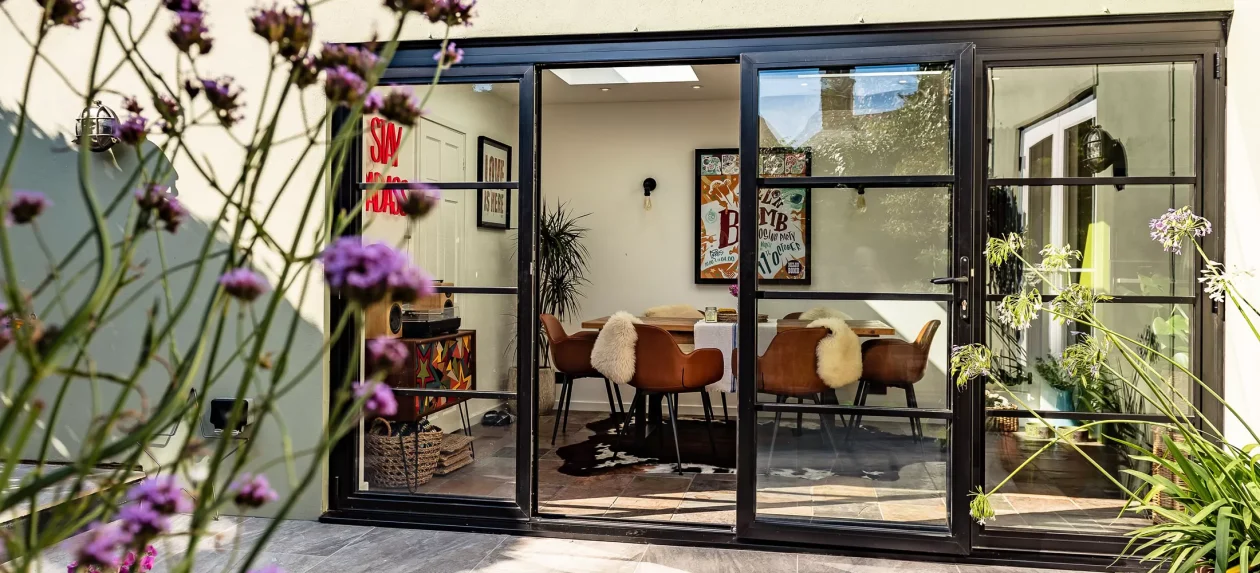
Lighting and spatial design are further factors that contribute to the appeal of heritage doors. Certain types of heritage doors feature glass panels, which enable natural light to flow between rooms while retaining separation. This feature is especially useful in houses where maximum light is a goal. Heritage doors may thus improve both the aesthetic and functional features of a space, making them a practical and beautiful option.
The emotional connection that heritage doors can foster should not be disregarded. Many homeowners find heritage doors appealing because they offer a sense of nostalgia and warmth. These doors frequently evoke memories of old homes, family history, and a slower pace of life. Individuals that incorporate heritage doors into their houses can create more welcome and meaningful surroundings.
Cost factors do play a role, although not always in the way one might assume. While heritage doors may require a higher initial investment, their longevity and timeless charm frequently make them more cost-effective in the long run. Homeowners are increasingly understanding the need of investing more upfront in features that will not need to be replaced or upgraded frequently. In this context, heritage doors are regarded as a prudent and forward-thinking option.
Heritage doors can improve outside environments in addition to interior design, demonstrating its adaptability. Heritage doors can dramatically increase a home’s curb appeal when used as front or back doors. This is especially significant for homeowners who plan to sell in the future, as first impressions are crucial in enticing possible buyers. Heritage doors can thus provide both emotional satisfaction and financial benefit.
Another factor to consider is how heritage doors may be modified to meet individual preferences. There are several ways to customise heritage doors to fit a unique vision, ranging from paint colours to hardware options. This level of customising enables homeowners to create a one-of-a-kind look while remaining true to the classic style of heritage doors. As a result, the feature has a personal yet timeless quality.
As architectural trends shift, heritage doors’ ongoing appeal implies they are more than a fleeting fad. Their combination of beauty, craftsmanship, and versatility keeps them relevant in a variety of situations. Homeowners are increasingly drawn to features that provide long-term value, and heritage doors fit this need better than most alternatives.
Finally, the growth in popularity of heritage doors reflects a larger trend toward intentional, character-driven design. By selecting heritage doors, homeowners not only improve the exterior of their homes, but also invest in items that provide depth, warmth, and authenticity to their living spaces. As this trend continues, it is evident that heritage doors will be a distinctive feature in homes across the UK for many years to come.