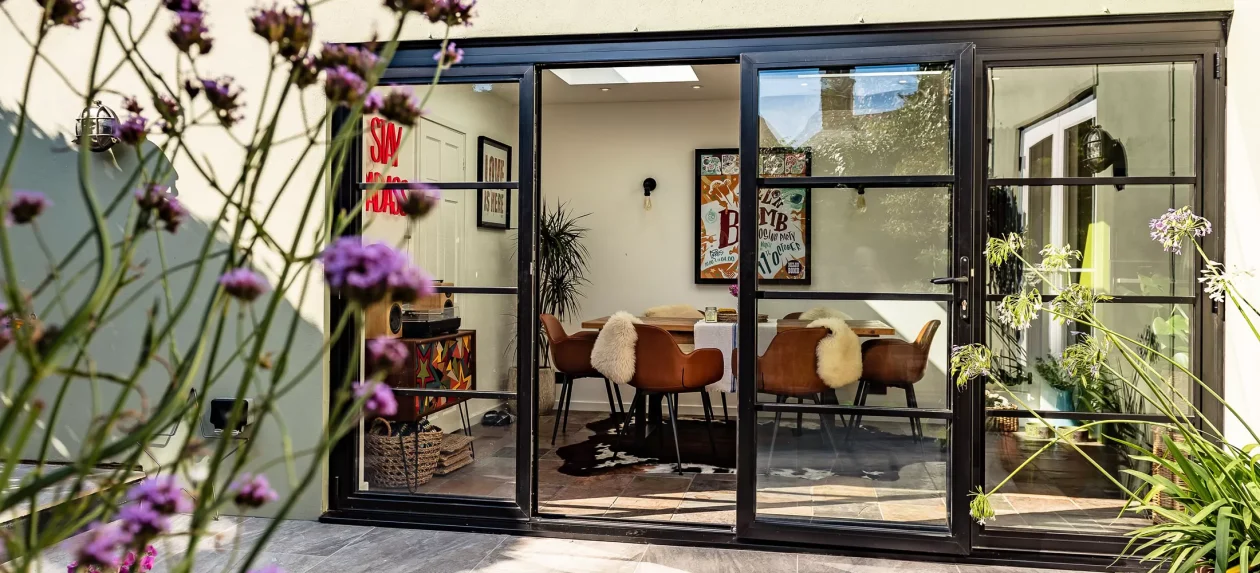
Tailored Entrances: The Role of Customization in Door Fabrication
Fabrication, or the process of making doors from a variety of materials and processes, is a crucial part of building houses and businesses. Doors enhance the efficiency and beauty of buildings in addition to serving their practical purpose of providing privacy and security. The typical materials utilised, the role of design and technology, and the impact of recent innovations on the future of door production will all be covered in this in-depth examination of door fabrication.
Why Door Fabrication is Crucial
Several important factors must be considered when crafting doors. During fabrication, one must consider cost-effectiveness, aesthetic values, security features, and durability. Choosing the correct door may improve a building’s aesthetics, thermal efficiency, and security, which in turn affects the building’s practicality.
Door Fabrication Material Selection
When making doors, choosing the right materials is an important first step. The advantages of each material are distinct:
Timber: Wood has long been prized for its inherent beauty and its adaptability to a wide range of artistic expressions. Its insulating qualities are well-known, but regular care is necessary to keep it from warping, rotting, or termites.
Steel and aluminium, being strong and long-lasting metals, are commonly used for commercial door production. Although they are resistant to fire and weather, they can corrode if not treated properly, although they do offer improved security measures.
Fibreglass is quickly replacing wood as the material of choice because of its long lifespan and realistic wood grain pattern. It is perfect for wet or rough conditions since it doesn’t bend, dent, or rot.
Glass: Because of its versatility and capacity to admit light into a building, glass is often utilised in conjunction with other materials. The safety and longevity of the glass are affected by the material and the way it is built.
The Art of Door Fabrication: Design and Personalisation
The process of making doors relies heavily on design. The design of a building’s doors is significantly impacted by its architecture. The design should harmonise with the building’s overarching motif, whether it’s a minimalist glass door or traditional wooden panels. Also, technological developments have made it possible to personalise door manufacturing even further, so doors may now be created to fit unique practical and aesthetic needs. Door designs may be both precise and versatile with the help of technologies like computer-aided design (CAD) systems and laser cutting.
Modern Innovations in Door Fabrication Technology
A lot has changed in the door fabrication sector because of technology. The use of automated technology and innovative manufacturing processes has greatly enhanced production speed, precision, and the ability to create intricate designs that were previously impossible to do by hand. Computer numerical control (CNC) machines, for example, are able to precisely manufacture intricate door designs.
On top of that, smart technology is quickly finding its way into doors. The construction process is now seamlessly incorporating features like integrated alarm systems, biometric locks, and remote access, which enhance the usefulness of doors beyond what was previously expected.
Improving Door Energy Efficiency and Environmental Sustainability
Energy efficiency is becoming a key factor in door manufacturing due to rising energy prices and environmental concerns. Insulation against heat loss or gain is greatly aided by doors. When doors are well-made, they assist keep the inside at a consistent temperature, which means less work for the HVAC system. Efforts have been made to reduce energy loss through the use of materials like fibreglass and technology like thermal breaks in metal doors.
The door fabrication business is also being impacted by the growing importance of sustainability. Materials that are produced and obtained in a sustainable manner are becoming increasingly popular. Recycling old doors and materials is also becoming more popular in the business as a way to lessen the sector’s negative influence on the environment.
Door Fabrication: Looking Ahead
The door fabrication sector is being shaped by ongoing developments, which bodes well for its future. The way doors are made is going through a dynamic development due to the incorporation of stronger security elements, the use of environmentally friendly techniques and materials, and the increasing personalisation made possible by digital technology.
In summary
Fabricating a door is more than simply making a door; it’s making an item with monetary, practical, and aesthetic worth. More economical, sustainable, and inventive solutions to the changing needs of contemporary architecture are on the horizon thanks to the expanding scope of what is possible in door manufacturing made possible by the ever-increasing capabilities of current technology and materials science.