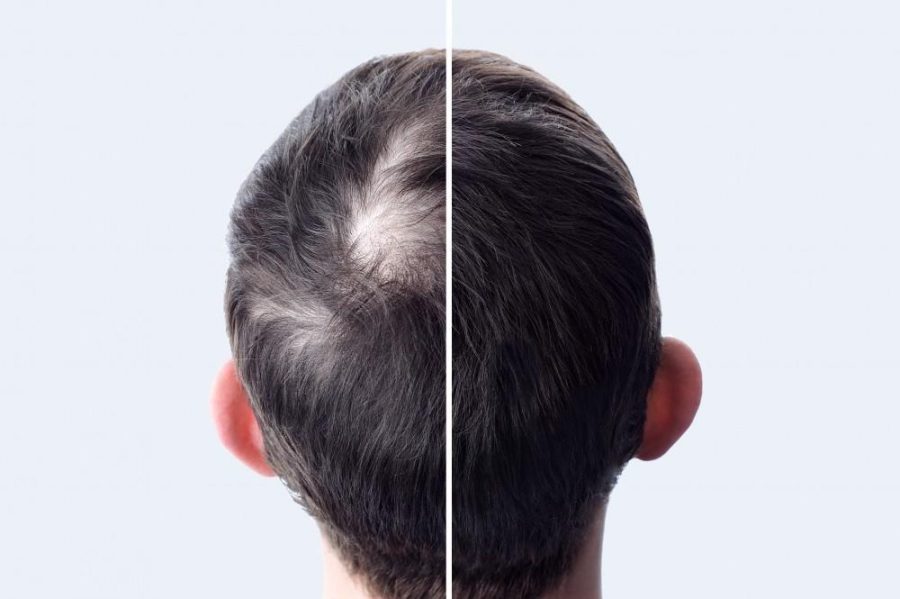
Behind the Reputation: What Makes a Harley Street Hair Transplant Different
Not many addresses in the world have the weight of Harley Street. For over 150 years this central London address has been identified with medical competence, secrecy and clinical quality. That reputation is everything but hollow as it pertains to hair restoration. The Harley Street hair transplant is often considered to be the gold standard against which all other treatments are compared, and with good cause.
Hair loss affects millions of people in the UK and the decision to seek a surgical cure is not one taken lightly. It’s about trust, money and most importantly, how you look for decades to come. Knowing why Harley Street has got to the top of the field will assist you to make a more informed and confident choice.
The History of Medical Credibility
The connection of Harley Street with medicine goes back to the nineteenth century when doctors and surgeons started to move into the neighbourhood, attracted by its proximity to the railway stations and the large mansions which could be converted into consulting rooms. With the passage of time, the street attracted the best practitioners in the land and a self-reinforcing cycle of repute was set in motion. Practitioners wanted to be with their own kind, and patients wanted to be treated by the best.
That legacy is relevant today. Practising on Harley Street implies a dedication to professional standards, peer review and ethical conduct. It is not a guarantee of quality in itself, but it promotes a culture where clinical excellence is expected, rather than merely espoused. You can’t get that kind of established credibility anywhere else – start with a Harley Street hair transplant.
Surgeons With Proven Expertise
The single most critical thing in any hair transplant is the ability of the person doing it. Hair restoration is a fine surgical art that requires precision, an eye for aesthetics and a knowledge of how hair grows, matures and behaves after transplantation.
Most Harley Street hair transplant surgeons are fully trained medical professionals, registered with the national medical authority and are subject to ongoing revalidation. This is a huge deal. Anyone can pretend to be a hair transplant specialist, but a licensed doctor can be verified, held responsible and, if needed, reprimanded by their professional body. Patients thinking about a Harley Street hair transplant can check credentials, training background and professional status before they even walk through the door.
Many of the area’s practitioners also contribute to research, instruct other surgeons, and lecture at international conferences. This culture of continuous learning ensures that treatments are always being updated and that patients receive the latest evidence-based techniques rather than outmoded ones.
Strict safety and regulation
Hair transplantation is a medical operation and like with all surgery there are dangers. Infections, poor graft survival, scarring and abnormal results can all occur when treatments are carried out in subpar circumstances or by improperly educated workers.
The clinics on Harley Street are tightly regulated and the premises are inspected by the independent healthcare regulator. Sterilisation, anaesthesia, emergency readiness, record keeping and infection control standards are exacting. The clinical team, such as the nurses and technicians, are trained to work under procedures that have been well established and the surgeon has the ultimate responsibility for the quality of the surgery from beginning to end.
This is important because hair transplant surgery should never be viewed as a cosmetic commodity. A Harley Street hair transplant is performed in a medical environment, under medical supervision, with the same seriousness as any other surgical intervention. This is the reassurance that patients are seeking.
Customised planning from the first consultation
A key feature of the Harley Street model is its focus on the assessment of each individual. A good consultation is not a sales pitch. It is a medical session where the surgeon examines your scalp and evaluates your medical history, discusses the pattern and reason of your hair loss and honestly explains whether a transplant is suited for you.
Not everyone is a good candidate. Some may benefit from medical therapies to slow further loss, while others may need to wait until their hair loss stabilises. A surgeon who will talk you out of an operation is a surgeon you can trust. Patients seeking a Harley Street hair transplant should receive honest information regarding realistic results including the number of grafts required, how dense the end result is expected to be and how the plan will account for future hair loss.
Planning the hairline is where art meets science. A natural hairline is irregular, slightly soft and ideal for the patient’s age, facial shape and hair type. An overly low, too straight or too dense hairline can look unnatural and age badly. The experienced Harley Street surgeons know that it is not simply about putting hair back it is about getting a result that nobody can see.
Advanced Methods and Devices
Currently , the main types of hair transplant are follicular unit extraction ( removing follicles individually ) and follicular unit transplantation ( removing a strip of scalp and dissecting it into grafts ) . Both have their merits and the proper option depends on your hair features, the extent of your loss and your tastes.
The finest practitioners will know more than one strategy and will propose the approach that is right for you, not the one they happen to be offering. They also focus on the nuances that make the difference between success and failure, such as the angle and direction of each transplant, the delicate treatment of follicles outside the body, and the maintenance of the donor area so that it does not look thinned or scarred. These nuances are what make the difference between a good result and a mediocre one.
Aftercare and Long-Term Support
The hair transplant doesn’t cease when the surgery is done. The transplanted hair usually falls out in the first few weeks and then re-grows slowly over the next several months. The complete results are usually not seen for 12 to 18 months. Patients require assistance, reassurance, and access to expert advice throughout this time.
With a Harley Street hair transplant you will get structured follow up sessions, detailed instructions for washing and maintaining the scalp and a direct line to the surgical team should you have any concerns. This ongoing attention is a crucial aspect of what makes the experience seem safe. You are not just processed and sent home, you are supported until the final result is matured.
Recognising the Value
It is true that a Harley Street hair transplant typically has a higher cost than treatment at other locations. Central London premises are costly, and the level of skill, regulation and aftercare necessary is reflected in the price. But with surgery, the lowest choice is rarely the best value. Bad transplants can be very difficult and costly to fix, sometimes needing more extensive labour than the initial procedure would have needed.
Looking at it as a long-term investment in your looks and your health, it makes sense to pay for proven competence and high safety standards. Hair transplants are permanent. The results are too.
A Worth Selection Standard
“Harley Street is the gold standard for hair transplants, a mix of heritage, accountability, surgical skill, regulation and patient-centred care. No address can promise ideal and every patient still has to do their homework on their surgeon, ask questions and insist on seeing real before and after results. By opting for a Harley Street hair transplant you are choosing an environment where high standards are the norm, where transparency is anticipated and your long term satisfaction is as important as the operation itself.
That combo is quite hard to beat for anyone concerned about regenerating their hair safely and organically.