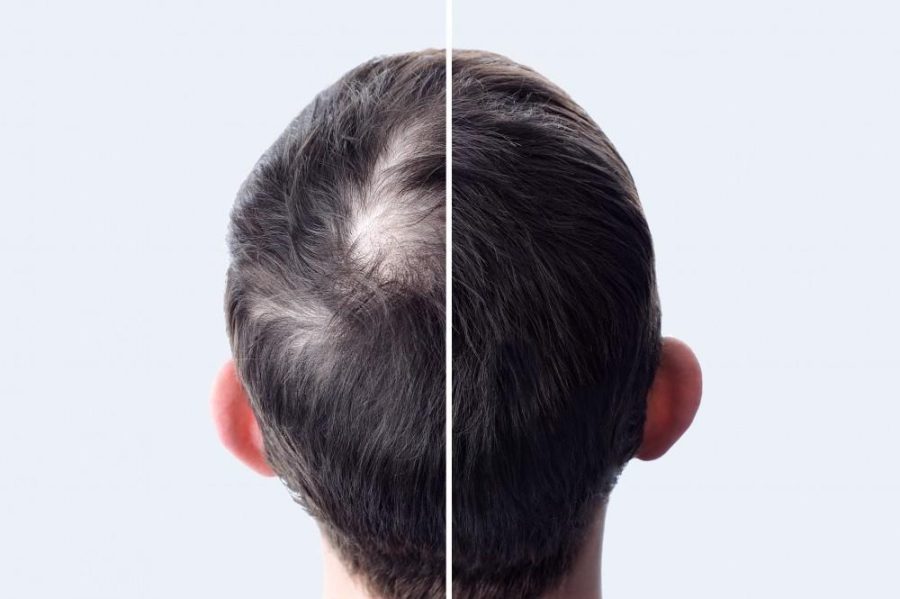
How Harley Street Clinics Balance Practical Care and Realistic Hair Transplant Expectations
Hair transplantation has become increasingly refined over the past two decades, yet many people considering the procedure still hold misconceptions about what the experience actually involves. The difference between choosing a specialist clinic and a less experienced provider often comes down to understanding what happens before, during and after your treatment—and recognising that genuine expertise shows itself in thoughtful preparation rather than promises of perfection.
London’s Harley Street has long been associated with medical specialisation, and hair restoration is no exception. Clinics operating from this location typically position themselves within a framework of professional standards, surgical precision and patient-centred care. But what does this positioning actually mean in practical terms, and how should someone considering treatment evaluate whether a clinic’s approach genuinely aligns with their own expectations and circumstances?
The consultation itself serves as the first meaningful indicator of a clinic’s philosophy. When you pursue a Harley street hair transplant, you should expect to meet with a registered surgeon rather than a sales representative. This distinction matters more than it might initially appear. A surgeon-led consultation means the person assessing your hair loss, discussing your goals and recommending treatment options is the same professional who will understand your case throughout the entire process. They can explain not just what might be done, but why a particular approach suits your specific pattern of hair loss, hair characteristics and aesthetic preferences. This personalised assessment takes time and attention that a purely commercial consultation often cannot accommodate.
Understanding the Assessment Process
A thorough hair transplant consultation involves examining your donor area—typically the back and sides of your scalp where hair is naturally resistant to loss—and assessing how much usable hair can be safely harvested. Your surgeon will also evaluate your recipient area, looking at the density of remaining hair, the pattern of loss, and the overall shape and proportions of your scalp and face. This information directly influences what outcomes are realistically achievable and how many grafts your procedure might require.
Hairline design represents one of the most consequential decisions made during consultation. A natural-looking result depends not on simply adding hair to a bald area, but on recreating a hairline that suits your facial proportions, age and personal style. Younger patients typically benefit from a slightly softer, less defined hairline, whilst older patients may prefer greater definition. A surgeon experienced in hairline design will discuss these nuances with you, perhaps showing examples of different approaches and asking what appeals to your sense of what looks natural. This conversation shapes the entire outcome of your procedure.
What the Follicular Unit Extraction Process Involves
Follicular Unit Extraction, or FUE, represents the primary surgical method offered by most specialist clinics today. Rather than removing a strip of scalp, FUE involves extracting individual hair follicles directly from the donor area using a small punch tool. The extracted follicles are then carefully prepared and placed into tiny recipient sites created in the thinning or bald areas of your scalp.
The precision involved in FUE explains why surgeon expertise and clinic technology both matter considerably. Each follicle extracted and transplanted represents a living structure that must be handled with precision to survive and grow. Modern clinics use advanced extraction devices designed to minimise trauma to the follicle and surrounding tissue. The angle, depth and direction of each graft placement similarly demands accuracy; follicles must be positioned to match the natural growth pattern of surrounding hair, which varies across different areas of the scalp.
A typical FUE session may involve extracting and placing anywhere from 1,000 to 4,000 grafts, depending on your hair loss extent and treatment plan. This is not a procedure that can be rushed without compromising results. Clinics that prioritise quality over volume typically schedule longer procedures and may recommend phased treatments if your circumstances require extensive restoration.
The Reality of Hair Growth and Timeline
One of the most important expectations to understand is that hair transplant results unfold gradually. Immediately after your procedure, transplanted grafts enter a resting phase. The transplanted hairs will typically shed within the first few weeks—a phenomenon that can be unsettling if you are not prepared for it. This shedding is normal and does not indicate failure; it represents part of the natural hair growth cycle.
Initial visible growth typically becomes apparent around three to six months after your procedure. However, full maturation and the complete density benefit of your transplant usually takes approximately twelve to eighteen months. This extended timeline means that patience forms an essential part of successful hair restoration. Some patients find this gradual process reassuring, as it allows the result to appear natural and progressive rather than suddenly different. Others find the waiting period challenging, which is why realistic expectation-setting during your initial consultation proves so valuable.
Recovery and Practical Considerations
Understanding what to expect in the weeks following your procedure helps you plan appropriately and care for your scalp properly. Most patients experience some degree of redness, mild swelling and tenderness in both donor and recipient areas immediately after FUE. These effects typically subside within one to two weeks, though individual variation is significant.
Your clinic should provide detailed aftercare instructions covering how to wash your scalp, what activities to avoid, and when you can resume normal routines like exercise or swimming. Many patients can return to work within a week if their job is not physically demanding, though this depends on your individual healing and personal preference regarding visibility of the procedure.
Protecting your scalp from direct sunlight during the early healing phase is important, and your surgeon may recommend avoiding certain products or treatments temporarily. These practical considerations are not complications; they are simply part of responsible post-operative care that influences how well your grafts establish and thrive.
Beyond Scalp Hair Restoration
Whilst scalp hair transplantation represents the most common procedure, many specialist clinics also offer beard transplants, eyebrow transplants and scalp micropigmentation. Beard transplants address patchy facial hair or areas of poor growth by extracting hair from the scalp and placing it in the beard area, where it will continue to grow as facial hair. Eyebrow restoration follows similar principles, allowing patients to address sparse or over-plucked brows. Scalp micropigmentation provides a non-surgical alternative for those seeking the appearance of greater density without surgical intervention, using pigmentation to create the illusion of hair follicles.
For patients dissatisfied with results from previous transplants elsewhere, corrective procedures offer another option. A surgeon experienced in revision work can assess what might be improved, whether through additional grafting, better hairline refinement, or addressing gaps or density issues in previous work.
Evaluating Clinic Standards and Credentials
When considering any surgical procedure, verifying that your chosen clinic meets appropriate medical standards provides essential peace of mind. Clinics operating from established medical districts typically work within recognised regulatory frameworks. Surgeons performing hair transplants should hold appropriate medical registration and qualifications, and the clinic itself should maintain proper licensing and quality standards.
Asking about a clinic’s regulatory status, surgeon qualifications and quality assurance processes is entirely reasonable. A reputable clinic welcomes these questions and can provide clear, straightforward answers. Similarly, clinics that display patient results and case studies with appropriate consent demonstrate willingness to be accountable for their work, though results naturally vary between individuals based on factors like hair characteristics, extent of loss and individual healing.
Financing Your Treatment and Making Practical Choices
Hair transplantation represents a significant financial investment, and understanding your options helps you make decisions that work with your circumstances. Some clinics offer structured finance arrangements that allow you to spread the cost across manageable payments. Understanding the terms, eligibility criteria and what is included in your package ensures there are no surprises once your treatment begins.
Beyond cost, practical considerations like timing matter considerably. Some patients schedule their procedure around work commitments or family events, whilst others consider their personal preference for privacy during the healing phase. A clinic that takes time to discuss these practical matters and helps you plan accordingly demonstrates genuine patient-centred care rather than simply moving appointments through a schedule.
Choosing a hair transplant clinic represents a decision that extends far beyond a single procedure. It involves entrusting a surgeon with your appearance and committing to a timeline that unfolds over many months. Taking time to understand what different clinics offer, how they approach assessment and treatment planning, and what they realistically expect from you as a patient allows you to make a choice aligned with your values and circumstances. The most successful outcomes typically involve patients who understood what to expect and clinics that prioritised personalised care, surgical precision and honest communication throughout the entire journey.