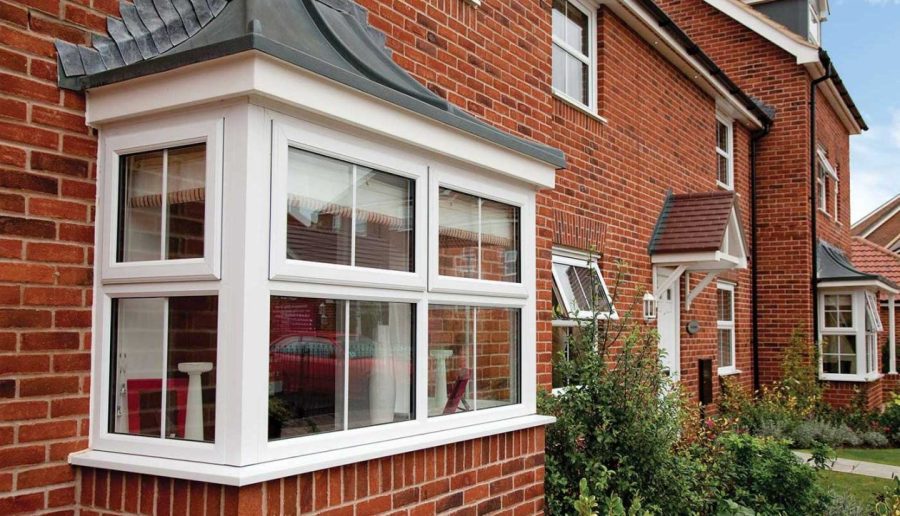
Improving Your Home Efficiency By Knowing When To Replace Old uPVC Windows
Every property owner in the United Kingdom prioritises the preservation of an energy-efficient and comfortable domestic environment. The quality of your uPVC windows is one of the most critical components in attaining this balance. Although these fixtures are renowned for their durability and minimal maintenance requirements, they are not indestructible. Over the course of several decades, the thermal performance and structural integrity of uPVC windows will inevitably deteriorate as a result of their continuous exposure to the British weather. It is crucial to identify the specific signs of failure in order to prevent secondary damage to your property, such as damp or structural rot, and to ensure that your energy expenses remain manageable during the colder months.
The presence of persistent draughts is one of the most apparent indicators that your uPVC windows require replacement. The airtight barrier against the external world is no longer maintained when the seals around the margins of the frames begin to deteriorate or lose their elasticity. When standing in close proximity to your uPVC windows, you may experience a distinct chill, even if they are completely closed and locked. In contemporary residences, this air leakage is the primary source of heat loss. It is a clear indication that the internal gaskets of your uPVC windows have failed if you are compelled to increase the central heating to counteract a chilly breeze that enters through the frames. The thermal envelope of your living space is frequently only restored through the replacement of these units.
Condensation is an additional significant indicator; however, it is crucial to observe the location of moisture formation. Moisture that is trapped between the glass panes is a much more severe issue than a small quantity of surface condensation on the room-facing glass, which is frequently a ventilation issue. If you observe fogging or water particles within the sealed unit of your uPVC windows, it indicates that the desiccant within the spacer bar has become saturated and the primary seal has ruptured. The insulating properties of uPVC windows are nearly entirely lost once the hoover or gas fill has escaped from between the panes. The most cost-effective long-term solution is typically to replace the entire unit, as blown double glazing cannot be readily repaired to its original standard.
The health of your uPVC windows can also be inferred from the tangible operation of the frames. The internal mechanisms, including hinges, handles, and espagnolette fastening systems, may become misaligned or wear down over time. The structural stability of the unit may be jeopardised if you discover that you must exert a substantial amount of force to close your uPVC windows or if they no longer rest flush within the outer frame. Warping is a less prevalent but potential issue with uPVC windows that are extremely old or of poor quality. This occurs when the frames have undergone such a significant amount of expansion and contraction in the sun that they have irreversibly altered their shape. This insufficient seal not only permits the entry of chilly air but also jeopardises the security of your residence.
Many householders fail to consider the impact of external noise pollution until it becomes a daily nuisance. High-quality uPVC windows are engineered to function as an acoustic barrier, thereby attenuating the noise of traffic, sirens, and raucous neighbours. It is probable that the soundproofing capabilities of your uPVC windows have been compromised if you begin to observe that the external environment is significantly noisier than it used to be. This occurs as the glass units lose their integrity and the seals degrade. The peace and quiet of your home can be significantly enhanced by upgrading to modern uPVC windows, as contemporary manufacturing techniques provide significantly superior acoustic insulation compared to the standards that were in use twenty or thirty years ago.
Water infiltration is potentially the most detrimental indicator of the failure of your uPVC windows. The weatherproofing of your uPVC windows has reached a critical failure point if you observe damp patches on the plasterwork around the window reveals or water accumulating on the internal sills following a heavy rainstorm. Black mould can develop as a result of water seeping through the frames, which can pose a health risk to the occupants of the residence. Additionally, the entry of water into the cavity wall or the internal timber structure can result in costly concealed damage if it bypasses the uPVC windows. It is imperative to promptly address faulty uPVC windows in order to safeguard the structure of your building from long-term decay.
It is imperative to never disregard visible damage to the frames. Although uPVC windows are renowned for their resistance to decay, unlike timber, they are susceptible to physical trauma or severe weathering. It is recommended that you conduct routine inspections of the frames’ extremities for any indications of deep gouges or cracking. The plastic may become brittle and susceptible to fracturing under pressure in older installations. Moisture can penetrate the internal steel reinforcements through a cracked outer skin of your uPVC windows, resulting in corrosion and further expansion that causes the plastic to split from the inside out. If the frames appear to be frail, grey, or physically damaged, it is time to invest in new uPVC windows to ensure the safety of your home.
A financial symptom of failing uPVC windows is the escalating cost of energy. Your windows may be the cause of a substantial increase in your gas or electricity consumption, even if you have not altered your personal behaviours. The glass technology in old uPVC windows is often outdated, which allows heat to radiate out of the house too readily. Modern uPVC windows employ low-emissivity glass and argon gas fills to reflect surplus heat away during summer and retain heat inside during winter. By replacing your inefficient uPVC windows, you are directly investing in the energy rating of your property, which can result in significant savings on your utility costs in the future.
The appearance of your uPVC windows also significantly influences the aesthetic condition of your home. Discolouration is a common occurrence in frames that are extremely ancient, resulting in a yellow or dull cream hue that is no longer amenable to cleaning. This UV degradation is indicative of the plastic’s chemical breakdown. Although this may appear to be a cosmetic issue, it frequently occurs in conjunction with a decrease in mechanical performance. In order to guarantee that contemporary uPVC windows remain vibrant and luminous throughout their lifespan, they are treated with sophisticated UV stabilisers. Replacing your uPVC windows with new ones can immediately enhance the exterior appeal of your property and increase its market value, particularly if they appear outdated or inadequately maintained.
Your uPVC windows are a primary line of defence against intruders, and security is a paramount concern for any occupant. External glazing beads are frequently present in older uPVC windows, and they can be effortlessly extracted from the exterior in order to extract the glass. Additionally, they may possess straightforward, single-point securing mechanisms that are susceptible to forced entry. It is advisable to upgrade your currently installed uPVC windows if you believe they are the weakest link in your home security. The sash is secured to the frame at multiple intervals by internal glazing beads and multi-point locking systems in new uPVC windows, which offers a significantly higher level of security for you and your family.
Cleaning and maintenance challenges may also serve as a subtle indication that it is time for a change. Dirt becomes profoundly embedded in the surface of older uPVC windows, which renders them impossible to clean due to the presence of pits or scratches. Additionally, if the gaskets and seals are affixed or have become sticky, they can generate a problem whenever you attempt to tidy up. Modern uPVC windows are constructed with high-gloss, smooth finishes that are highly resistant to grime and maintain their pristine appearance with minimal effort. The material has likely reached the end of its useful life if you are spending hours attempting to restore vitality to your old uPVC windows with little success.
The final, overarching factor to evaluate is the installation’s age. The lifespan of the majority of high-quality uPVC windows is anticipated to be between twenty and thirty years. Regardless of their appearance, it is probable that your uPVC windows are approaching their expiration date if you are aware that they were installed in the nineties or early 2000s. In the past two decades, technology has advanced significantly, and the uPVC windows that are currently available are considerably superior in terms of thermal breaks, chambered profiles, and glass coatings. Even if your current uPVC windows appear to be functioning properly, the improvement in performance provided by new units is frequently sufficient to justify an upgrade solely for the purpose of increasing efficiency and comfort.
In the final analysis, the decision to replace your uPVC windows should be determined by a combination of these factors. The evidence is evident if you are encountering a combination of condensation between the panes, draughts, and difficulty operating the handles. Your uPVC windows are no longer fulfilling the intended function. Not only will proactive measures to replace them improve the visual allure of your home, but they will also establish a more secure, quiet, and comfortable atmosphere. High-quality uPVC windows are a fundamental component of the contemporary British home, and maintaining their optimal condition is one of the most effective methods of safeguarding your most valuable asset.
By closely monitoring these warning signs, you can prevent the anxiety associated with an emergency replacement during a winter storm. You can plan your home improvements and budget accordingly by conducting regular inspections of your uPVC windows. Your uPVC windows will typically inform you when they have had enough, whether it is the unsightly fogging of a ruptured seal or the subtle whistle of a draught. Investing in new uPVC windows is a prudent decision that will yield benefits in terms of property value and comfort, guaranteeing that your home will continue to serve as a refuge from the elements for years to come. Deliberating on the condition of your uPVC windows today could result in substantial savings in terms of labour and money in the future.