How to Choose the Right Fabric for Your Team’s Custom Sportswear
Imagine this: Your team runs onto the field, fired up, focused, and looking sharp. But halfway through the match, something’s off. Jerseys stick. Fabric rides up. Breath is short. Sweat pools in all the wrong places.
It’s not the training. It’s not the hustle. It’s the fabric.
Choosing the right material for your custom sportswear isn’t about trend or color. It’s about how your team performs under pressure. It’s about how they feel in motion. And it’s often the difference between a game well played—and one remembered for all the wrong reasons. The right fabric doesn’t just fit the body—it fits the moment. And when everything’s on the line, that matters a whole lot more than people think.
Let’s dive into how to make that choice count.
Understand the Demands of the Sport
Every sport pushes the body differently. Soccer players sprint, pivot, and play in heat. Wrestlers grapple in close-contact bouts. Cyclists stay bent forward for miles. The wrong fabric in any of those situations? It becomes a liability.
Start here: What does the sport demand from the athlete’s body? Is it high-contact? High-mobility? Indoors under lights or outdoors in the sun? These questions filter out the wrong fabrics without guesswork. They point to performance features that matter—like breathability, moisture control, or tensile strength.
Because fabric isn’t just clothing—it’s a tool. And the best tools are built for the job.
Learn the Language of Performance Fabrics
Performance fabric terms can sound like jargon at first. But they’re the keys to choosing wisely.
- GSM (Grams per Square Meter) tells you how heavy the fabric is. Lightweight fabrics (140–160 GSM) are great for speed and breathability. Heavier ones (180–260 GSM) offer more structure and warmth.
- Moisture-wicking pulls sweat from skin to fabric surface, helping it evaporate faster.
- Breathability allows airflow through the fabric, which helps regulate body temperature.
- Stretch and recovery describe how a fabric moves and bounces back. A four-way stretch blend will flex with the body, not against it.
Think of these traits like stats on a player card. Each fabric has strengths. You just need to know how to read them.
What’s the Difference Between Polyester, Spandex, and Cotton Blends?
It’s easy to get lost in the material names. Here’s a quick, no-fluff breakdown:
- Polyester is the MVP of custom sportswear. Lightweight, durable, and moisture-wicking. It holds up to prints, washing, and wear.
- Spandex (or elastane) adds stretch. When blended with polyester, it gives jerseys that second-skin fit without restriction.
- Cotton? Comfortable, yes—but not ideal for athletics. It absorbs sweat and holds onto it. Great for warmups, risky for game day.
Most high-performance jerseys use a polyester-spandex blend. Why? Because it balances structure, flexibility, and breathability—especially during intense movement.
Match Fabric Function to Player Experience
The best fabric choices don’t just perform well—they feel invisible.
When fabric supports the body naturally, players stop noticing it. No tugging at hems. No adjusting collars. Just focus, flow, and freedom.
Take a volleyball team in Ohio that switched from a stiff cotton-poly blend to a featherweight polyester mesh. Players reported feeling faster. More agile. Not because they suddenly got fitter—but because their gear no longer held them back.
That’s the power of the right fabric. It disappears, so the player can shine.
Don’t Overlook Durability
Your team doesn’t play gentle. Neither should their uniforms.
Durability often gets overlooked in favor of comfort—but both matter. Look for fabrics with reinforced weaves, tight knits, or sublimated prints. Sublimation embeds the design into the fibers, so it won’t peel or crack like screen prints.
One high school football coach shared that after switching to sublimated polyester uniforms, they went from replacing gear every season to every three. That’s not just a cost win—it’s a consistency win.
If your jerseys show wear after a few games, it’s not just frustrating—it’s costly. Choose once, choose smart.
How Fabric Affects Customization Options
Here’s a detail that trips up even seasoned buyers: not all fabrics support all printing methods.
If you’re planning intricate logos, sponsor placements, or gradient fades, sublimation printing is likely your go-to. But it only works on polyester-based fabrics. Want cotton? Prepare for screen printing—and a shorter design lifespan.
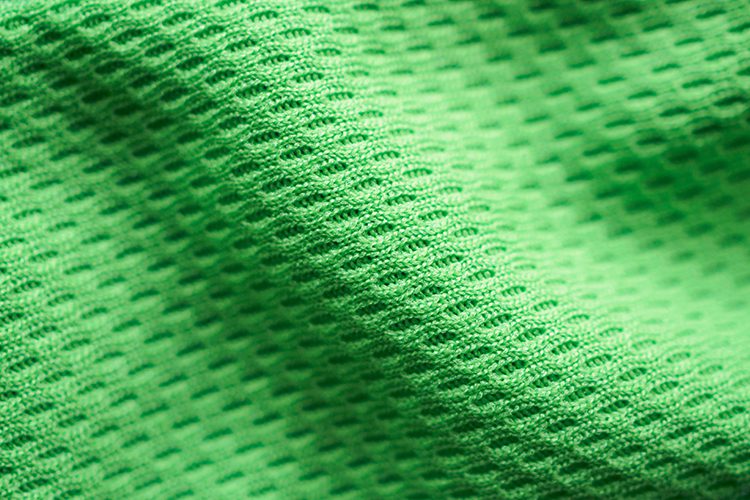
Also, certain specialty fabrics—like mesh or textured knits—may not hold ink detail well. The smoother the surface, the cleaner the print.
The takeaway? Your design goals should shape your fabric choices, not the other way around.
Climate and Season Matter More Than You Think
Hot, humid tournament? Cold early-morning practices?
Climate changes everything. A fabric that feels breezy in summer might chill players in fall. That’s why seasoned teams often switch up gear by season—or choose midweight blends that adapt across conditions.
For warm-weather sports, look for open-knit jerseys, mesh panels, or moisture-dispersing finishes. Cold-weather teams? Heavier GSM, brushed interiors, or layered designs will serve better.
And if your team travels across regions? Ask your supplier about hybrid blends—fabrics that cool when it’s hot and insulate when it’s not.
Fit and Fabric Go Hand in Hand
Ever tried on a sleek-looking jersey that somehow feels wrong the second you move?
That’s not just the cut—it’s how the fabric interacts with the body. Some fabrics hug. Some drape. Others stretch but sag.
The best team gear does three things:
- Moves with the body.
- Holds its shape.
- Looks sharp game after game.
Features like raglan sleeves, vented sides, and 4-way stretch zones only work if the fabric backs them. It’s all connected—and good fit starts with good materials.
How to Test Fabric Quality Before You Commit
You don’t need to be a textile expert to spot quality. A few tests go a long way.
- Stretch it—Does it rebound? Or stay baggy?
- Hold it up to light—Is it too sheer for confidence?
- Rub it—Does the surface pill quickly?
- Wash it once—Does it shrink, fade, or warp?
Better yet, ask your supplier for sample swatches. Feel them, sweat in them, move in them. Let your players weigh in. After all, they’re the ones wearing it.
Ask the Right Questions Before You Order
Before placing that bulk order, ask these:
- What fabric weights do you offer for this sport?
- Can I see or feel swatches before deciding?
- Are your prints sublimated or screen-printed?
- How do your materials hold up after 10+ washes?
- Do you offer climate-specific options?
Good suppliers won’t dodge these questions. They’ll welcome them—and probably have better answers than you expected.
Fabric Care Tips That Protect Your Investment
Even the best fabric can underperform if it’s not cared for properly. Equip your team with simple instructions to keep gear game-ready.
- Wash in cold water to preserve elasticity and color.
- Skip the dryer—air drying maintains shape and reduces shrinkage.
- Avoid bleach or softeners, which break down moisture-wicking fibers.
- Turn garments inside-out before washing to protect print quality.
These small habits extend the lifespan of your uniforms and keep them looking sharp all season long.
Final Whistle: Fabric Isn’t Just Fabric. It’s Competitive Edge.
Think of fabric like an assistant coach. It supports every move. It affects how your players feel, perform, and show up. It boosts confidence. It holds up through the grind. And it can make or break how your team experiences the game.
Choosing the right one isn’t a fashion decision. It’s a performance investment. One that pays off in comfort, consistency, and team unity—week after week, game after game.
Your team deserves more than just a good-looking kit. They deserve gear that keeps up with their hustle, reflects their identity, and helps them play without distraction. Because when the fabric fades into the background, that’s when the game takes center stage.
Still Not Sure? Here’s a Fabric Checklist for Your Next Order
Before you hit send on that quote request, run through this:
- Does the fabric suit the sport’s demands?
- Is the GSM appropriate for your climate?
- Are prints compatible with your chosen material?
- Will it stretch, move, and recover?
- Can it handle sweat, movement, and repeat washes?
- Have you tested a swatch or sample?
- Did you ask about long-term durability?
- Do care instructions match your team’s habits?
Answering yes to all of the above? You’re ready to order with confidence.
Need help choosing the right fabric for your next custom order? Reach out to our team—we’ll walk you through fabric options, send swatches, and help you build custom sportswear that wins before the game even begins.