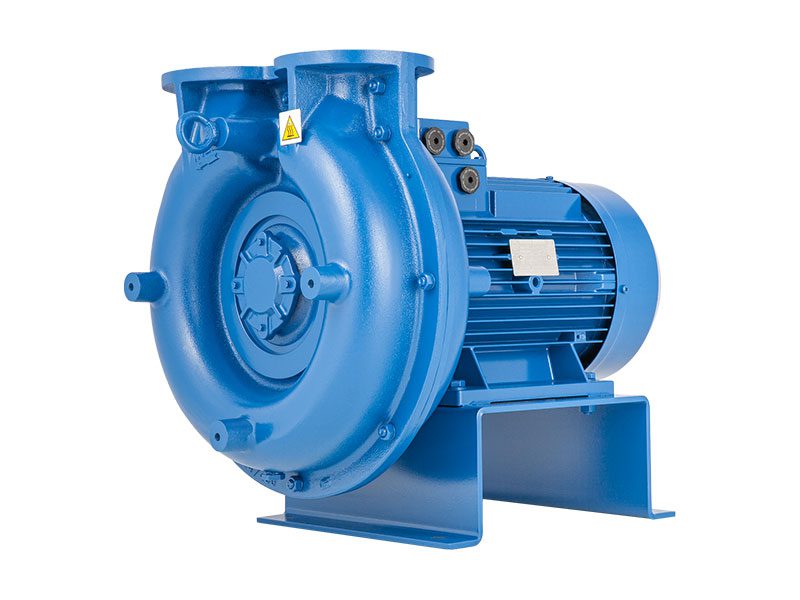
Understanding Why Gas Boosters Are Essential for Optimal Boiler Function
Industrial boilers are the beating hearts of many factories, industrial plants, and businesses in the UK and around the world. These complicated systems need very specific conditions to work at their best, and the gas booster is becoming more and more important for keeping them running smoothly. Facilities managers, engineers and business owners who want to get the most work done while keeping costs and environmental effect low need to know how important gas boosters are to the operation of industrial boilers.
The main job of gas boosters in industrial boiler systems is to raise the pressure of the fuel gas to the levels needed for effective combustion. Utility companies often send natural gas to many industrial buildings at low pressures, which is not always enough for modern high-efficiency boilers. Gas boosters fill this important gap by compressing the incoming fuel supply to the exact pressure levels that burner systems need. Boilers can’t burn all of the fuel they need to without enough pressure. This wastes fuel, increases pollutants, and greatly lowers thermal efficiency.
You can’t say enough about how gas boosters affect the quality of combustion. When boiler burners get fuel at pressures that aren’t consistent or high enough, the air-to-fuel ratio is thrown off, which leads to incomplete combustion. This inefficiency shows up in many bad ways, such as generating carbon monoxide, unburned hydrocarbons, and too much soot. Gas boosters fix these problems by making sure that the pressure is steady and reliable. This lets burner management systems keep the best fuel-air mixing ratios. This leads to cleaner burning, lower emissions, and better compliance with environmental rules that are getting stricter for businesses.
Energy efficiency is probably the best reason to use gas boosters in industrial boiler installations. Facilities that don’t have the right gas pressure augmentation generally have boilers that cycle inefficiently, have trouble reaching goal temperatures, or use too much fuel to make up for poor combustion dynamics. Adding gas boosters that are the right size changes this situation a lot. These systems let boilers work within their stated efficiency ranges by providing fuel at the right pressure. This often saves fuel by 10% to 20% or more. In a time when energy prices make up a large part of running costs, petrol boosters usually pay for themselves in a few months instead of years.
Modern industrial operations often need quick changes in the production of steam or hot water, therefore boilers need to be able to swiftly adjust to different load circumstances. Gas boosters are quite useful in these changing operating settings because they keep fuel pressure steady even when demand changes. When production needs unexpectedly go up, boilers with gas boosters can smoothly and effectively increase output without the pressure drops that would happen otherwise. This responsiveness not only helps with process management, but it also stops the temperature from going too high or too low, which can hurt product quality in critical production situations.
Beyond straightforward pressure maintenance, gas boosters offer a wide range of reliability advantages. Industrial boilers that don’t have enough fuel pressure put more stress on the parts that burn fuel, control valves, and ignition systems. This stress speeds up wear and tear on parts and makes them fail more often, which means more downtime and expensive emergency repairs. Gas boosters help with these dependability issues by making sure that all of the boiler’s subsystems can work within their intended boundaries by keeping the operating conditions stable. The intervals between maintenance can be longer, the number of spare parts used can go down, and the total life of boiler equipment can get a lot better.
Safety is another important reason why gas boosters are so important in industrial boiler systems. Fuel pressure that is not stable can make operating circumstances dangerous, such as the possibility of flame instability, burner flashback, or incomplete purge cycles. Modern gas boosters have advanced pressure monitoring and regulating features that make the whole system safer. Many modern units have backup pressure sensors, automatic shutdown protocols, and connections to building management systems that send real-time alarms when operating conditions go beyond of permitted limits. These safety features protect not just costly equipment but also the people who work around industrial boiler installations.
Environmental stewardship has gone from being a minor issue to a major operational imperative for businesses in all sectors. Gas boosters have a big impact on the efficiency of combustion, which helps to lower the environmental impact of boiler operations. Managing fuel pressure correctly so that combustion is complete reduces the amount of greenhouse gases produced for every unit of usable heat output. Also, using less fuel means less carbon emissions, which helps facilities accomplish their sustainability goals and follow rules for cutting carbon emissions. As rules on industrial emissions get stricter, petrol boosters become more and more important for keeping the environment in compliance.
Choosing and sizing gas boosters involves rigorous technical consideration to make sure that the equipment can meet the needs of the boiler and the limits of the facility. The specification process is affected by things like changes in inlet pressure, required output pressure, flow rate needs, and duty cycle patterns. Gas boosters that are too small may not be able to keep enough pressure during times of high demand, and gas boosters that are too big may cost too much money and not work well under normal load situations. A professional evaluation of the boiler’s specifications, fuel supply characteristics, and operational profiles makes sure that gas booster installations work at their best and provide you the most for your money.
Modern boiler control systems can be integrated with gas boosters to provide better operational intelligence and optimisation. Gas boosters with digital communication capabilities that work perfectly with dispersed control systems are a feature of advanced installations. This connectivity makes it possible to use advanced methods including pressure modulation based on real-time combustion analysis, scheduling maintenance based on equipment performance trends, and coordinating operation across numerous boiler installations. Facility managers can see how well the fuel system is working like never before thanks to the data streams created by intelligent gas boosters. This helps with programs for continuous improvement and energy management.
The maintenance needs of gas boosters are not as important as the performance benefits they provide. Routine maintenance usually includes checking the compression parts, making sure the pressure switch is calibrated correctly, and replacing worn parts like seals and filters on a regular basis. Most of the time, these simple steps may be added to existing boiler maintenance plans without needing extra training or long periods of downtime. Modern gas booster designs are quite reliable, so well-maintained units can last for decades without any problems. This makes them one of the most reliable parts of industrial boiler installations.
Economic analysis repeatedly shows that gas boosters are one of the best ways to improve the performance of industrial boilers without spending a lot of money. The combination of lower fuel use, lower maintenance costs, longer equipment life, and more reliable processes leads to very good financial returns. Also, buildings may be able to get subsidies or incentives for energy efficiency that help pay for the costs of installing the equipment. Gas boosters are a practical solution that offers significant performance increases with little disruption to continuing operations when compared to alternatives like replacing the entire boiler or switching to a different fuel source.
Gas boosters in industrial boiler systems are likely to become more important in the future, not less. As companies are under more and more pressure to cut carbon emissions, making the most of the natural gas infrastructure that is already in place becomes an important way to make the change. Gas boosters help companies get the most out of their current boiler investments while getting ready for the inevitable use of hydrogen blends or other alternative fuels that may need different pressure characteristics. Gas booster technology will still be useful in the future because it can be used in many different ways and has been shown to work well.
In summary, gas boosters have become essential parts of modern industrial boiler installations because they improve efficiency, dependability, safety, and environmental performance. They can turn low fuel supply pressure into the right circumstances for optimal combustion, which solves a major problem that affects boiler performance in many industrial settings. As operational needs expand and rules get stricter, gas boosters will become even more important strategically. This will make them an integral part of every facility that relies on industrial boiler systems for process heat or steam generation.